
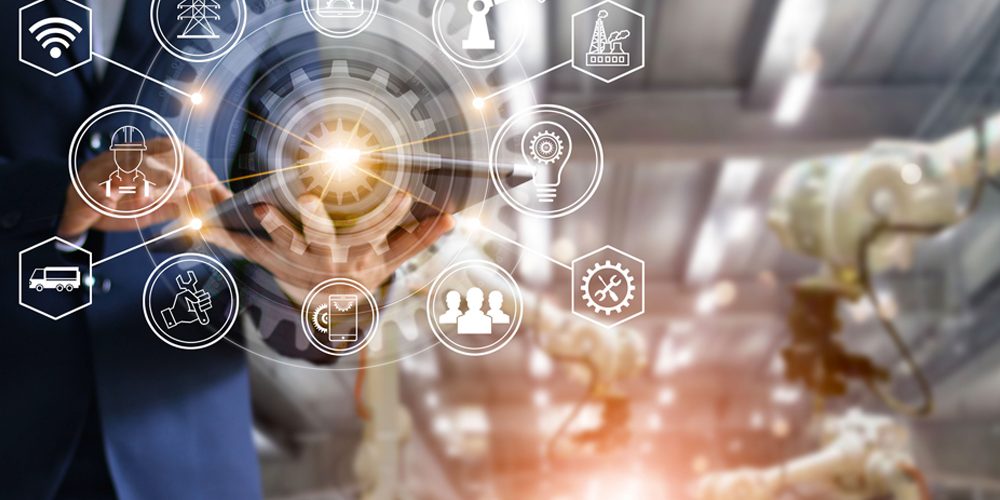
The manufacturing industry is undergoing a radical shift—from analog to digital, from reactive to predictive, and from fragmented to integrated. This shift, known as digital transformation, is redefining how products are designed, produced, and delivered.
Digital transformation isn’t just about technology—it’s about leveraging digital capabilities to drive business value and create smarter, more connected operations.
What is Digital Transformation in Manufacturing?
Digital transformation in manufacturing involves the integration of advanced technologies into all areas of the manufacturing process. This includes:
- Industrial Internet of Things (IIoT)
- Artificial Intelligence & Machine Learning
- Cloud and Edge Computing
- Digital Twins & Simulation
- Big Data & Analytics
- Augmented & Virtual Reality
- Robotic Process Automation (RPA)
- Smart MES & ERP integration
The goal? To increase efficiency, reduce costs, enable innovation, and enhance the overall customer experience.
Key Drivers of Digital Transformation
- Customer Expectations
Customers demand faster delivery, higher quality, and personalized products. Digital tools enable mass customization and agile manufacturing. - Global Competition
To stay competitive, manufacturers must increase productivity and reduce waste while maintaining flexibility and compliance. - Workforce Challenges
With skilled labor shortages and generational shifts, digital tools help automate routine tasks and upskill the workforce. - Supply Chain Disruptions
COVID-19 and geopolitical shifts have exposed vulnerabilities. Digital transformation strengthens supply chain visibility and resilience.
Benefits of Digital Transformation in Manufacturing
- Real-Time Data & Insights
Connected machines and systems allow for real-time monitoring, enabling predictive maintenance and process optimization. - Improved Quality & Traceability
Digital records help ensure quality control, meet regulatory standards, and trace issues across the entire product lifecycle. - Enhanced Agility & Innovation
Cloud platforms and digital twins allow rapid prototyping, faster time-to-market, and agile responses to demand fluctuations. - Sustainability
By optimizing energy use, reducing material waste, and enabling circular economy models, digital transformation supports sustainable manufacturing.
Real-World Applications
- Smart Factories: Fully connected production lines with automated feedback loops.
- Predictive Maintenance: AI-based systems that detect anomalies and prevent equipment failures.
- Remote Operations: AR/VR tools allow maintenance, training, and inspections without being on-site.
- Digital Supply Chains: End-to-end visibility into inventory, logistics, and demand.
Challenges to Overcome
- Legacy Systems: Outdated infrastructure can hinder integration.
- Change Management: Resistance from teams unfamiliar with new technologies.
- Data Security: More connected devices mean greater exposure to cyber threats.
- High Initial Investment: Digital transformation requires upfront costs, but ROI is often substantial over time.
The Future: Connected, Intelligent, Autonomous
Digital transformation isn’t a one-time project—it’s a continuous journey. The Factory of the Future will be:
- Fully digitized and connected
- AI-enhanced and self-optimizing
- Sustainable and human-centric

https://shorturl.fm/xoMuG