The chemical industry is a prime example of a sector heavily reliant on specialized process devices, with control and operation of these devices being of utmost importance. While many chemical and material factories are equipped with automated systems focused on operations, challenges persist in effectively managing production-related data. Key data types such as materials, quality metrics, and equipment performance are often scattered and not centrally managed, creating inefficiencies.
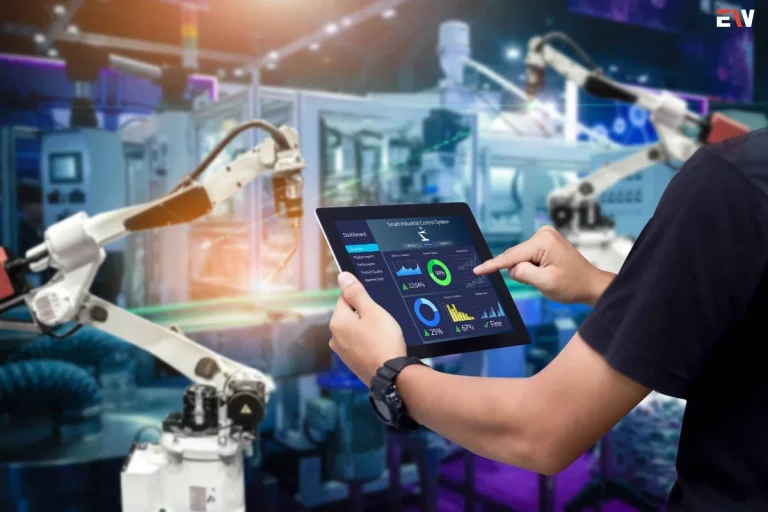
In response, both domestic and international chemical and material companies have been increasingly focused on implementing smart factory systems. These systems aim to digitize and integrate all aspects of production, including materials, production schedules, operations, quality control, facilities management, shipments, and safety protocols. By digitizing and integrating data, companies can establish a “visible factory” that allows for real-time problem detection and continuous process improvement.
In the specific context of semiconductor chemical materials, the introduction of a Manufacturing Execution System (MES) in line with export regulations has demonstrated significant benefits. This system has not only facilitated compliance but also contributed to the rapid localization of production, effectively reducing reliance on imports and supporting the goal of self-sufficiency in the industry.